

North Texas offers very different living experiences within a relatively short drive, and the best fit often comes down to pace, housing style, commute patterns, and how you want to use your space. Dallas, Frisco, Plano, and McKinney each bring a distinct mix of homes, amenities, and pricing dynamics. Understanding those differences can make your search faster, clearer, and far less overwhelming.
How These Four North Texas Communities Feel Different
Choosing between Dallas, Frisco, Plano, and McKinney is not really about finding a single “best” place. It is about matching your day-to-day routine with the setting that supports it. Some buyers want a more urban environment with established neighborhoods, cultural venues, and shorter access to major job centers. Others are drawn to newer developments, larger lots, trail systems, or a town-center atmosphere that feels more spread out and residential.

Geography matters here too. These communities are linked by highways, employment hubs, retail corridors, and public spaces, but they do not feel interchangeable once you start touring homes. Dallas brings the broadest mix of housing stock, from condos and townhomes to historic properties and newer infill construction. Frisco often attracts attention for its continued growth, newer housing inventory, sports and entertainment destinations, and master-planned development patterns. Plano offers a mature blend of established neighborhoods, corporate campuses, parks, and shopping districts. McKinney tends to stand out for its charming historic core, expanding subdivisions, and a balance between small-city character and metro access.
If you are relocating within DFW or arriving from out of state, it helps to look beyond city names and compare how each place handles traffic flow, lot sizes, home ages, redevelopment, and proximity to where you expect to spend most of your time. That practical lens usually reveals the right direction faster than headline rankings or general buzz.
A twenty-minute difference in routine driving can shape your experience more than a few hundred square feet of extra space. Narrowing by commute patterns first often makes the rest of the decision easier.
Dallas: Variety, Access, and Established Neighborhoods
Dallas offers the widest range of housing choices in this comparison. Buyers can explore high-rise residences, classic brick homes, renovated ranch properties, attached living, and neighborhoods with strong architectural identity. That variety is especially useful for people who want options across price points, lot configurations, and home styles without leaving the same city.
Another advantage is access. Dallas places many residents closer to major employment centers, arts venues, dining districts, airports, and large medical institutions. For buyers who want convenience and a more connected urban grid, that can be a major plus. Established neighborhoods may also bring mature trees, distinctive streetscapes, and homes with details not always found in newer construction.
That said, Dallas requires trade-offs. Depending on the neighborhood, you may see older systems, more variability in block-by-block pricing, smaller lots in some areas, or heavier traffic in exchange for location benefits. Buyers considering Dallas should pay close attention to renovation quality, property tax implications, and how a specific neighborhood fits their work and lifestyle patterns.
Frisco and Plano: Newer Development Meets Everyday Convenience
Frisco and Plano are often compared together, but they serve different priorities. Frisco has become one of the area’s most watched markets thanks to ongoing development, entertainment investment, and a strong supply of newer homes. Many properties offer contemporary layouts, open kitchens, flexible bonus spaces, and neighborhood amenities such as trails, pools, or greenbelts. Buyers who prefer newer construction or planned communities frequently put Frisco high on the list.
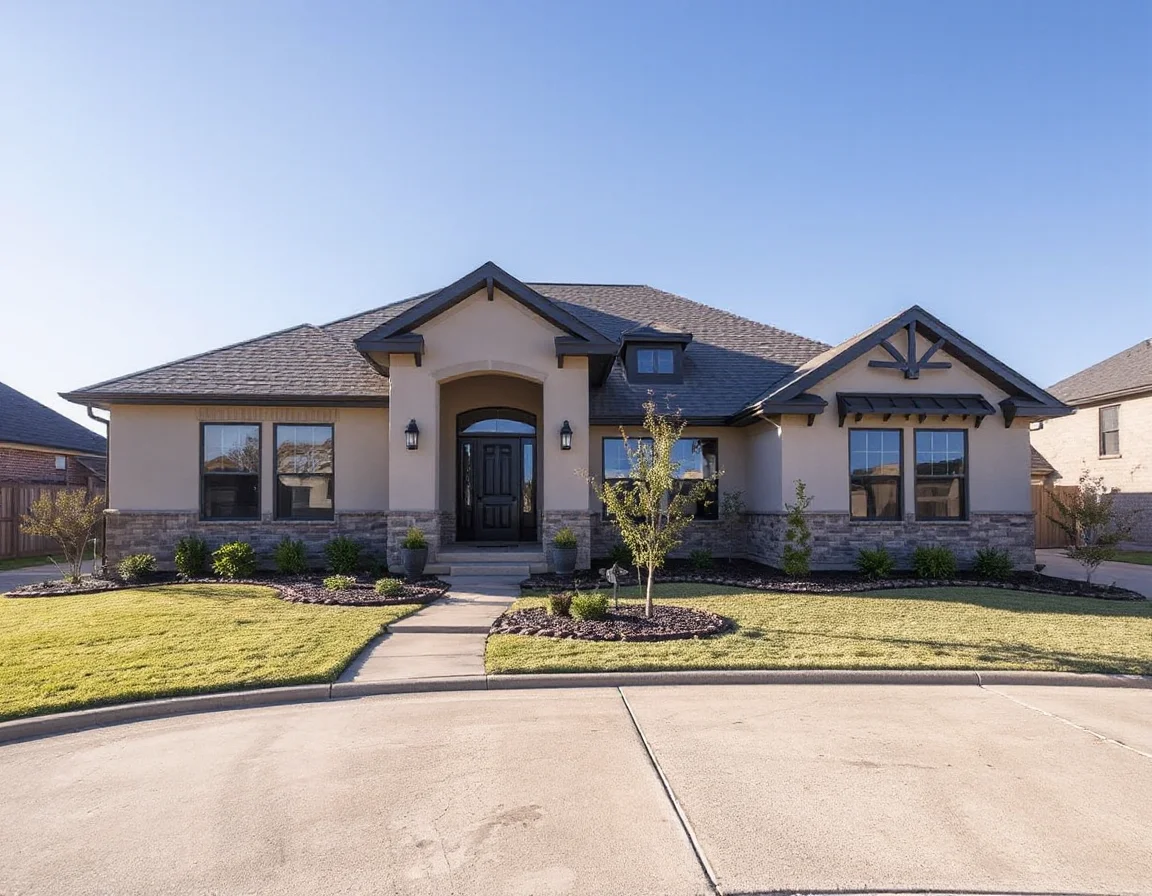
Plano, by contrast, often appeals through balance. It has a well-developed infrastructure, a broad range of established subdivisions, townhome and condo options, employment access, and an extensive network of parks and commercial areas. In many parts of Plano, buyers can find neighborhoods that feel settled and convenient without giving up access to retail, recreation, or commuter routes.
Between the two, home age and neighborhood design are often the deciding factors. Frisco may offer more of the “new home” feel, while Plano can provide a mix of updated existing homes and central access points. Buyers comparing these cities should also look closely at HOA structures, lot size differences, and how close a property sits to major tollways or business districts.
In fast-moving North Texas submarkets, newer construction can command a premium, but a well-updated home in an established area may offer stronger value when location is the priority.
It is also worth comparing the daily environment around the home, not just the home itself. Some buyers prefer the polished consistency of newer subdivisions, while others value the texture and convenience that come with a more established street pattern. Touring both cities in the same week can make those distinctions much easier to feel in real time.
McKinney: Historic Character, Growth, and More Room to Spread Out
McKinney brings a different rhythm to the conversation. Its historic downtown district adds character that many buyers find memorable, while newer communities on the edges of the city provide a wide selection of contemporary homes. That combination gives McKinney a layered identity: part classic North Texas town center, part expanding suburban market.
For some buyers, McKinney stands out because it can offer more space or a different neighborhood feel compared with closer-in options, depending on budget and inventory conditions. Larger homes, three-car garages, dedicated office space, and generous yards may appear more frequently in certain areas. At the same time, the city continues to evolve, so buyers should compare established sections and newer development zones separately rather than treating the entire market as one thing.

Commute expectations matter more here. If your work or frequent activities are far south or west, drive time may influence whether the added space feels worth it. But for buyers who want a little more breathing room, a strong sense of place, and access to a growing local amenity base, McKinney can be an excellent match.
It is also a city where neighborhood-by-neighborhood comparison pays off quickly. Some areas emphasize newer master-planned living, while others are closer to older streets, parks, and mixed architectural styles. Looking at several corners of McKinney helps clarify whether you are drawn more to charm, newness, convenience, or lot size.
How to Decide with Confidence
The smartest way to choose between Dallas, Frisco, Plano, and McKinney is to rank what matters most before you fall in love with a listing photo. Start with commute range, preferred home age, desired lot size, monthly budget, and whether you want a more urban, established, or newer-planned environment. Then compare those priorities against actual available inventory rather than broad assumptions.
Working through that process can save time and reduce decision fatigue. A buyer who wants architectural variety and central access may naturally lean toward Dallas. Someone focused on newer developments and expansion corridors may prefer Frisco. Buyers looking for mature infrastructure and convenience often find Plano compelling. Those seeking a blend of charm and space may discover McKinney rises to the top.
No matter which direction you are considering, the right move comes from aligning the home with your everyday routine, financial comfort zone, and long-term plans. In a market as dynamic as North Texas, clarity beats guesswork every time.