

Touring homes is exciting, but the most useful pricing clues often appear before you ever open the front door. By watching a few listing and market details closely, buyers can spot homes that may be overpriced, competitively positioned, or worth a faster move. These seven Dallas pricing signals can help you compare properties more clearly and make better use of your tour schedule.
Start With Days on Market, Not Just the List Price
A list price gets the attention, but it rarely tells the full story by itself. In Dallas, two homes with similar square footage and updates can land very differently depending on when they were listed, how quickly they drew interest, and whether sellers have already adjusted expectations. Before scheduling a tour, buyers should look at how long a property has been available and whether that timeline feels in sync with the broader pace of the local market.
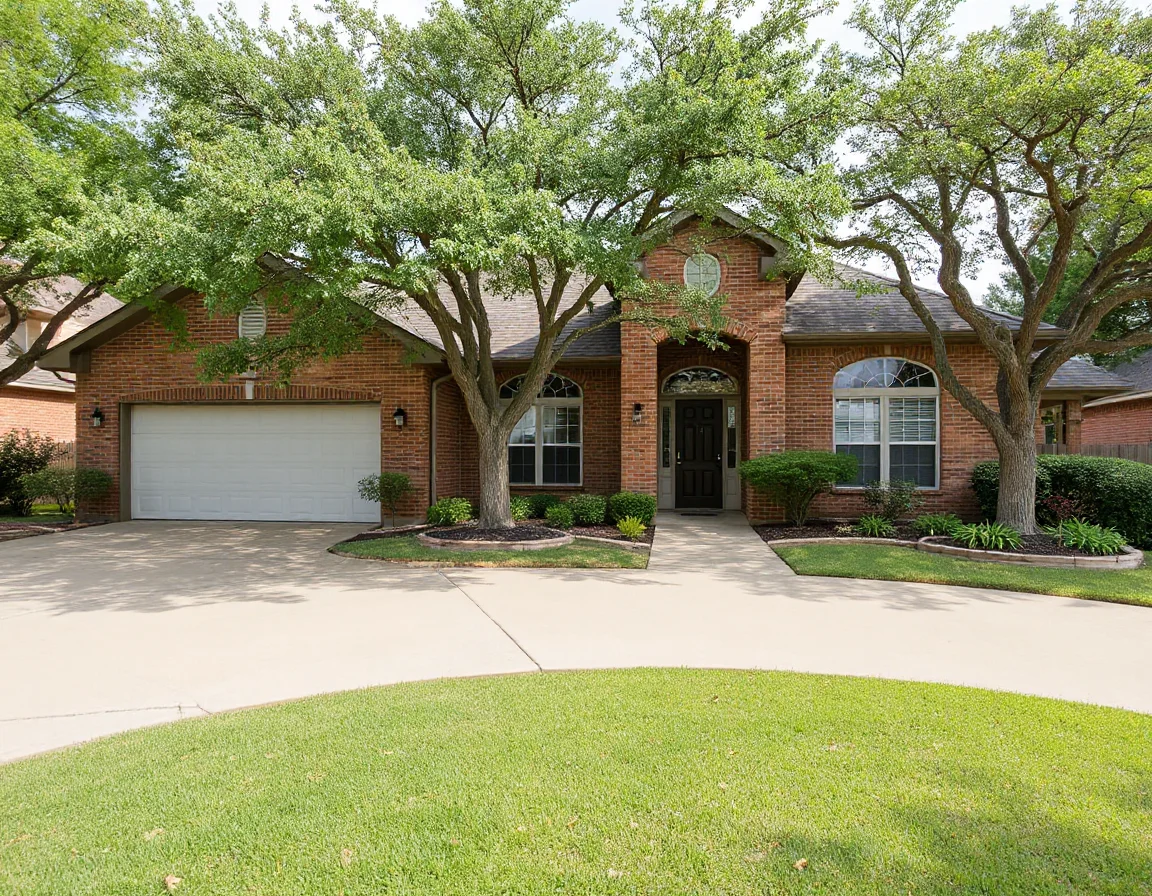
If a home has been active longer than similar nearby listings, that can mean the price started too high, the condition does not match the marketing, or buyers have found better alternatives. On the other hand, a fresh listing priced close to recent comparable sales may deserve a quicker look, especially if its photos and description suggest strong overall presentation. Time on market does not automatically make a home a bargain, but it does give buyers context before they walk in.
A price reduction after two or three weeks can be more meaningful than a low opening price that was never realistic. Watch the timing of changes, not just the size of the drop.
Another detail worth checking is whether the property returned to the market after going pending. That can happen for many reasons, including financing, inspection negotiations, or simple timing issues. For buyers, it is a reminder to ask better questions during the tour and to compare the current price against the home’s recent listing history rather than treating it as a brand-new opportunity.
Compare Price Per Square Foot Carefully
Price per square foot is one of the most commonly quoted metrics in real estate, but it works best as a starting point instead of a final verdict. In Dallas neighborhoods with a mix of ranch homes, new construction, renovated properties, and larger custom layouts, that number can swing for reasons that have little to do with value alone. A smaller, fully updated home may show a higher price per square foot than a larger home that still needs major work.
Buyers should compare homes that are actually similar in style, condition, lot size, and level of finish. A remodeled kitchen, newer roof, updated windows, and modern systems can materially change how one listing stacks up against another. If two homes look close on paper but one feels noticeably more polished in person, the price difference may reflect real improvements rather than simple overpricing.
It also helps to think about how usable the square footage feels. An efficient floor plan with strong natural light and practical storage can live larger than the raw number suggests. During the tour, buyers can connect the online metric to the actual experience of the space, which often reveals whether the asking price is supported.
Look for the Gap Between Original Price and Current Price
A home’s pricing path can reveal just as much as the current number. When a listing debuts at one figure and then sees one or more reductions, that history may show where the market pushed back. In some cases, the current price is finally in line with buyer expectations. In others, the reductions are still not enough to bring the property into the same conversation as nearby alternatives.
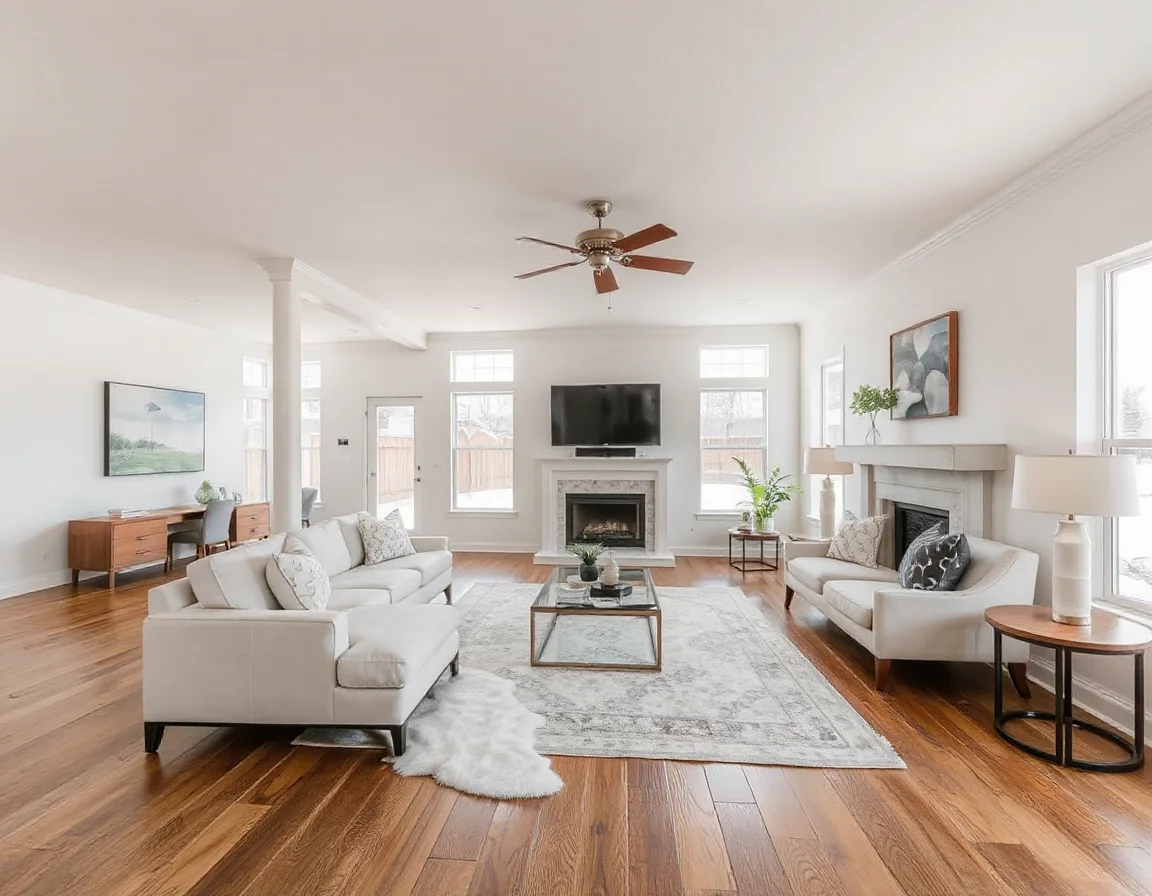
Pay close attention to how large the reductions were and how quickly they happened. A small adjustment after a short marketing period may just be a strategic correction. Multiple cuts over a longer stretch can indicate that the initial expectations missed the mark. That does not necessarily make the home a poor option; it simply means buyers should tour with a sharper eye on condition, layout, and comparable sales.
There is also a practical negotiation takeaway here. If a property has already moved substantially from its original price, the seller may be nearing the number they are willing to accept. If the home is still sitting after only a token reduction, there may be more room between the current ask and true market value. This is where local interpretation matters, especially in a metro area as varied as Dallas.
When the current list price is close to recent closed sales but the original price was much higher, the market may have already done part of the negotiating for you.
Pricing history should never be viewed in isolation, but it is one of the clearest clues available before a tour. It helps buyers avoid reacting only to the latest number and instead understand the seller’s broader strategy.
Study Comparable Sales and Pending Activity Together
Closed sales tell you what buyers were willing to pay recently, while pending listings hint at where the market may be moving now. Looking at just one or the other can leave gaps. In a fast-moving pocket of Dallas, a home may appear high compared with older sales but line up well with more recent pending activity. In a slower pocket, closed sales may provide a firmer anchor because pending homes have not yet proven their final contract prices.
Before touring, buyers should ask whether the listing seems aligned with both categories. If it is noticeably above nearby closed sales and there is no sign of stronger pending activity to justify the premium, that may be a clue to proceed carefully. If the home is priced near the top of the range but clearly offers better condition, a superior lot, or more recent updates, that premium may be easier to defend.
Dallas also contains micro-markets where street-by-street differences matter. A wider arterial road, backing to commercial space, a corner lot, or a more private setting can all influence pricing in ways the headline stats may not fully capture. Touring with those details in mind helps buyers judge whether the comparable story actually holds up.
Watch for Seller Concessions, Not Just Sticker Price
Sometimes the real pricing clue is hidden behind the advertised number. Seller contributions toward closing costs, mortgage rate buydowns, repair allowances, or appliance packages can change the effective value of a deal. Two Dallas homes with identical list prices may not be equally competitive once incentives are considered.

If a listing mentions concessions directly, buyers should factor them into the comparison. If incentives are not public, they may still emerge through agent communication or negotiation. This is especially useful when one home seems slightly high at first glance but comes with terms that could reduce out-of-pocket costs or improve monthly affordability.
It is equally important to separate cosmetic appeal from pricing strength. Attractive staging and polished photography can make a home feel more valuable online, but buyers touring in person should verify whether systems, finishes, and maintenance support the ask. A property that presents beautifully yet needs immediate work may not be priced as competitively as it first appears.
Smart touring is really about matching evidence to impressions. When buyers review days on market, price history, comparable sales, and concessions before a showing, they arrive better prepared to notice what matters. In a broad and dynamic market like Dallas, those seven clues can help narrow the field, improve timing, and lead to more confident decisions when the right home comes into view.